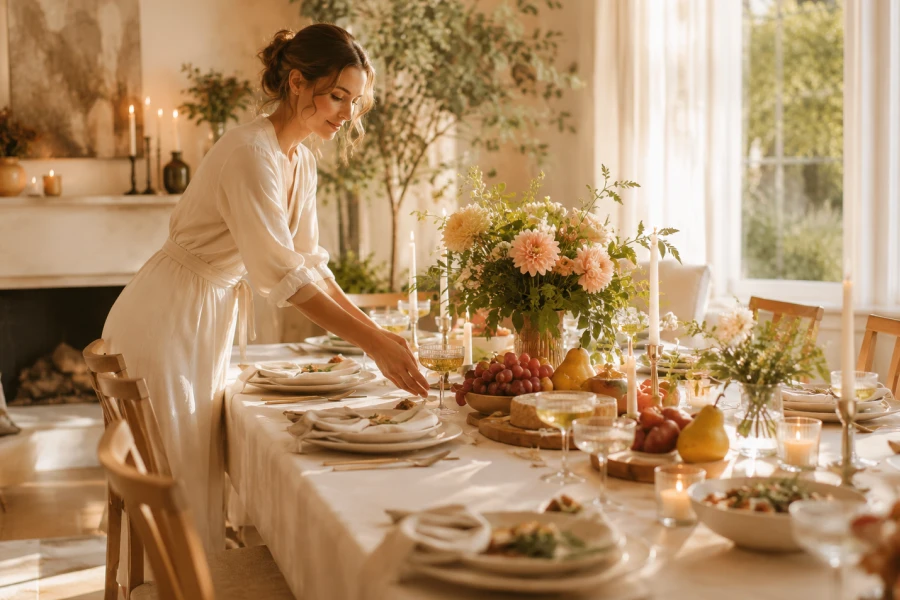
A stress-free hosting starts when you design the event around ease, not perfection. Many hosts spend so much energy managing details that they barely enjoy the celebration. A better approach focuses on flow, comfort, and smart preparation. Guests remember how the gathering felt more than whether every plate matched. They notice warmth, timing, food access, seating, and conversation. When those basics work, the event feels polished. The host also stays present, which makes the whole room relax.
The menu matters, but it should not be the first decision. Start with the event’s purpose. Are you creating a cozy dinner, casual birthday, holiday brunch, or milestone celebration? The answer shapes every choice that follows. Guest count, timing, seating, and food style become easier once the mood is clear. Many hosts use party planning ideas to create structure before choosing recipes or décor.
A successful event needs boundaries. Decide what you can handle comfortably with your time, space, and budget. Not every gathering needs a full dinner, elaborate theme, and handmade décor. Sometimes drinks, snacks, music, and a clean room are enough. A realistic scope protects your energy. It also prevents last-minute disappointment. Guests can feel when a host is overwhelmed. They can also feel when the event has been planned with calm confidence.
Timing creates the backbone of a smooth celebration. Work backward from guest arrival. Decide when food should be ready, when drinks should be chilled, and when music should start. Prepare anything possible the day before. Set the table early. Clear surfaces before cooking. Build a short final-hour list that contains only essential tasks. This prevents mental overload. It also gives you space to greet guests instead of rushing from room to room.
Food should support the event, not trap you in the kitchen. Choose dishes that hold well, serve easily, and suit your guest count. Make-ahead options often work better than dramatic last-minute recipes. Add one standout item, then keep the rest simple. Place food where guests can reach it without crowding. Labeling is useful, but avoid visual clutter. A clear food plan helps conversations continue naturally while everyone feels cared for.
Room flow affects the mood more than most hosts realize. Guests need places to sit, stand, place drinks, and move without awkward bottlenecks. Remove unnecessary furniture if space feels tight. Create small conversation zones. Keep drinks away from the entryway to prevent congestion. Add soft lighting where people gather. A comfortable layout makes the celebration feel intentional. For more structure, event hosting tips can simplify setup choices.
Good hosting anticipates needs without trying to control every moment. Offer water, visible napkins, accessible trash, and a few food options. Ask about major dietary restrictions when appropriate. Keep extra seating nearby. Make bathrooms easy to find. These small details reduce interruptions during the event. They also help guests feel relaxed. The goal is not luxury. It is ease. When guests can help themselves comfortably, the host becomes freer to participate.
Every event has a small surprise. Food finishes late. Someone arrives early. A spill happens. Music stops. The difference is how calmly you respond. Guests usually follow the host’s energy. If you laugh, adjust, and move on, they will too. Keep backup snacks, extra towels, and a flexible attitude. Do not apologize repeatedly. A small imperfection can even make the evening feel more human and warm.
The best hosting plan leaves room for you. Schedule ten quiet minutes before guests arrive. Change clothes early. Eat something small. Step into the room as a participant, not a manager. A celebration should not become a performance that drains you. When your plan supports your energy, guests receive a better experience. More importantly, you get to keep a happy memory of the event you created.


Leave a comment
You must be logged in to post a comment.